Unlock Flakiness: The Smashing Butter Technique for a Truly Buttery Pie Crust
For generations, the art of crafting a perfect pie crust has been held in almost mythic regard. We often marvel at the ease with which our ancestors, lacking modern conveniences, produced flaky, tender pies. Yet, in our modern kitchens, the prospect of a homemade pie crust can feel daunting, leading many to shy away from this quintessential culinary pleasure. But what if the secret to an effortlessly perfect, truly
buttery pie crust wasn't about complex techniques or specialized equipment, but a simple, almost primal method of working with butter?
Enter the "smashing butter technique" – a game-changer that transforms a seemingly intimidating task into a satisfying, low-tech process, guaranteeing a strong, pliable dough that bakes into an extraordinarily flaky and tender crust. Forget the fear, embrace the flour, and prepare to unlock a world of pastry perfection.
Why the Smashing Butter Technique Guarantees a Superior Buttery Pie Crust
The magic of the smashing butter technique lies in its fundamental approach to pastry science, creating a symphony of textures and flavors that traditional methods often miss. By consciously diverging from conventional wisdom, we achieve results that are both robust and delicate.
- Embracing Gluten for Strength and Flexibility: Instead of fearing gluten development, this method leverages it. A properly developed gluten network provides the necessary strength for your dough to be rolled out without tearing and to maintain its shape beautifully during baking, preventing shrinkage and slumping. This strength is crucial for a crust that can hold generous fillings.
- The Perfect Butter-to-Flour Ratio: A generous, yet balanced, proportion of butter to flour is key. This ratio doesn't just impart richness; it significantly enhances the dough's tenderness and crispiness. Furthermore, the butter acts as a natural barrier, creating a subtle waterproofing effect that minimizes sogginess, especially for pies with juicy fillings.
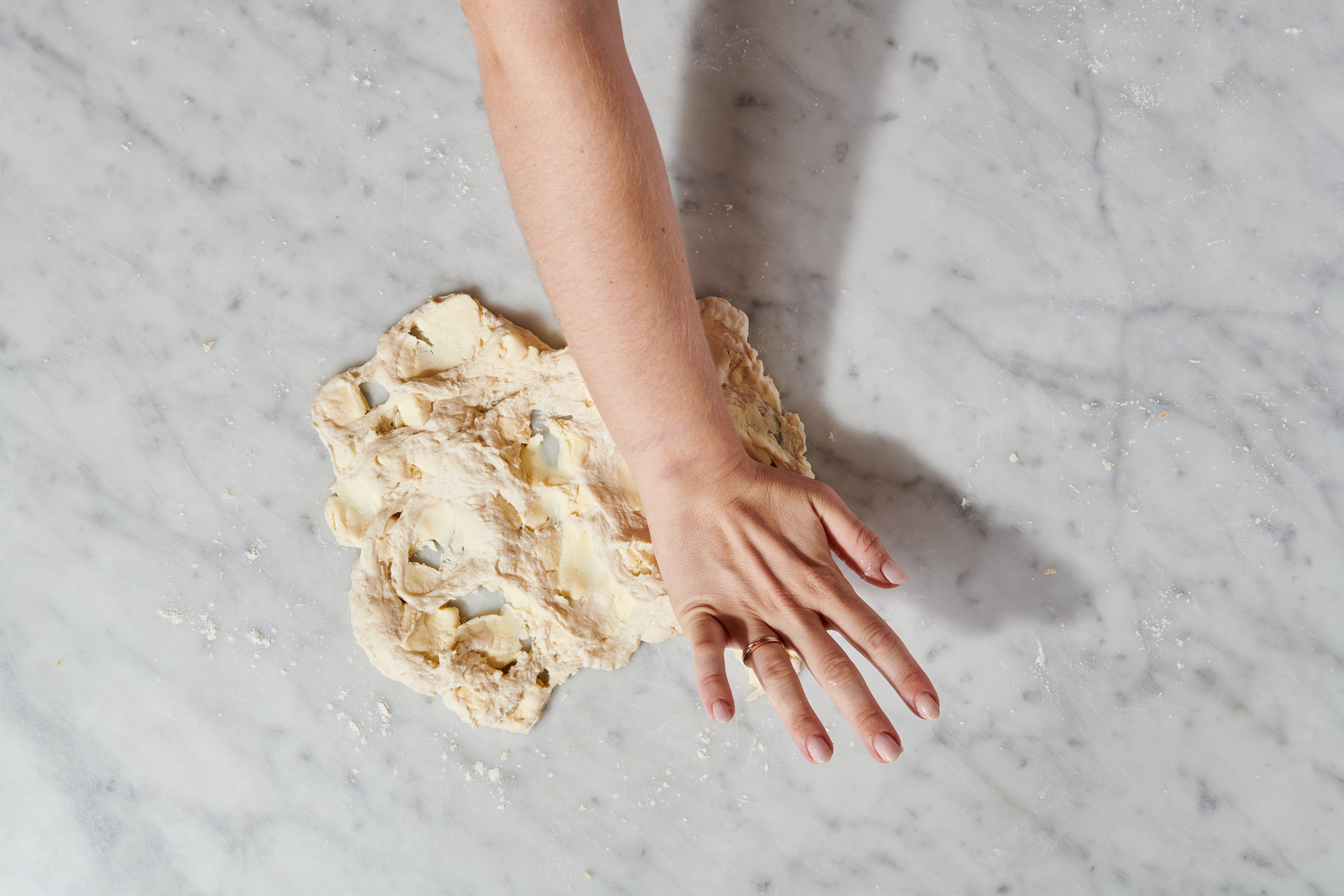
- Smashing, Not Just Cutting, the Butter: This is the heart of the technique. Unlike uniform cubes created by cutting or food processors, smashing butter directly into the flour yields irregular, thin shards and smears. These varied pieces melt at different rates during baking, leaving behind distinct pockets and layers of air, which are the hallmark of an exceptionally flaky crust.
- Strategic Chilling for Flake Preservation: Refrigeration isn't just about making the dough easier to handle; it's vital for setting the gluten and firming the butter. A thoroughly chilled and relaxed dough ensures that those precious butter layers remain intact and distinct when they hit the heat of the oven, puffing up to create the signature flakiness.
Unlearning Old Habits: Embracing Gluten for a Strong Pie Dough
For too long, the culinary world has cautioned against "overworking" pie dough, instilling a deep-seated fear of gluten. This fear, often fueled by anecdotes of tough, leathery crusts, has led many bakers to handle their dough with an almost apologetic delicacy. But it’s time to unlearn this dogma. Gluten is not the enemy of a truly excellent
buttery pie crust; it is its ally.
Think of gluten as the structural backbone of your pastry. It’s the network of proteins that gives dough its elasticity and tensile strength. Without adequate gluten development, your pie dough would be weak, prone to tearing when rolled, and likely to slump dramatically in the oven. It's this very strength that allows you to confidently manipulate the dough, knowing it won't fall apart in your hands. A well-developed gluten structure makes pie dough feel supple and robust, like a well-worn leather jacket – flexible enough to shape, yet strong enough to endure.
While excessive gluten can indeed lead to a tough crust, that's where the magic of butter comes in. Butter acts as a tenderizer, coating the gluten strands and preventing them from forming overly tight bonds. It brings balance to the force, ensuring your pie dough emerges from the oven not just strong, but beautifully tender and crisp. For the ultimate balance, many professional bakers advocate for a 1:1 ratio of flour to butter by weight. This might seem like a lot of butter, but it’s a time-tested formula that dramatically improves dough flexibility and, crucially, helps to waterproof the bottom crust, preventing the dreaded soggy bottom even with the juiciest fillings. To learn more about this vital ingredient, check out our deep dive into
Embrace Gluten: The Secret to a Strong, Flaky Buttery Pie Crust.
The Art of Smashing: Crafting Incomparable Flaky Layers
The true genius of this technique lies in the physical act of "smashing" the butter. Forget the notion of uniform, pea-sized butter pieces. While traditional methods of cutting or blending butter into flour aim for even distribution, they often fall short of creating the varied pockets that define truly exceptional flakiness.
Instead, we introduce butter into the flour by literally smashing it. Imagine taking a cold stick of butter and pressing it firmly into the flour mixture with the heel of your hand or a sturdy rolling pin. The goal is not to incorporate it smoothly, but to create a mosaic of paper-thin smears and larger, irregular shards of butter. These varied butter shapes are critical. When the dough bakes, the water in the butter turns to steam, pushing apart the flour layers. The larger shards create significant air pockets, while the thin smears contribute to the overall tenderness and crispness. This nuanced distribution results in a multi-layered, undeniably flaky texture that simply cannot be achieved with uniformly cut butter.
Practical Tip: Always start with
very cold butter – straight from the fridge or even slightly chilled in the freezer for 10-15 minutes. This prevents it from melting into the flour too quickly, preserving those distinct butter pockets essential for flakiness. Work quickly but deliberately. Don't be afraid to get your hands in there, or use a bench scraper or heavy rolling pin to help with the smashing action. The mixture should look shaggy, with visible pieces of butter ranging in size.
Essential Ingredients & Prep for a Foolproof Buttery Pie Crust
While the smashing technique is revolutionary, the foundation still rests on a few key ingredients and proper preparation. These elements work in harmony to produce a genuinely
buttery pie crust that's easy to handle and a delight to eat.
- All-Purpose Flour: For consistent, reliable results, standard all-purpose flour is your best friend. Its protein content strikes the perfect balance for developing enough gluten for strength without becoming overly tough.
- Very Cold Butter: As emphasized, this is non-negotiable. Cold butter is essential for creating those distinct layers. We recommend unsalted butter for better control over the final seasoning.
- Salt: Even for sweet pies, salt is crucial. It doesn't just season the crust; it enhances the overall flavor profile, balancing the richness of the butter and preventing the crust from tasting bland.
- Optional Sugar: For sweet pies, a tablespoon of granulated sugar can be added. It contributes minimally to sweetness but aids in browning and adds another subtle layer of flavor. For savory pies, omit it.
- Ice Water: This is your binding agent. Always use ice-cold water – you can even drop a few ice cubes into your measuring cup. Cold water prevents the butter from melting and keeps the dough cool, inhibiting excessive gluten development until you want it. Add it gradually, just enough to bring the dough together into a cohesive mass.
After your dough is mixed, gently form it into a disk (or two for a double-crust pie), wrap it tightly, and refrigerate it for at least 30 minutes, or preferably an hour or more. This chilling period is crucial: it allows the gluten to relax, making the dough easier to roll, and re-firms the butter, ensuring those magnificent flakes will develop in the oven. For a comprehensive guide to perfecting your pastry, check out our article on
Foolproof Buttery Flaky Pie Crust: Get Perfect Results Every Time.
Beyond the Basics: Tips for Pie Crust Perfection
With the smashing butter technique in your arsenal, you're well on your way to mastering the art of the
buttery pie crust. Here are a few extra tips to elevate your pie game:
- Don't Overwork (Post-Smashing): While we embrace gluten, once the initial butter smashing and water incorporation are done, handle the dough gently. Excessive kneading at this stage can lead to toughness.
- Roll Evenly: When rolling out your chilled dough, use even pressure and rotate it frequently to prevent sticking and ensure a uniform thickness. This prevents uneven baking and promotes consistent flakiness.
- Chill Again Before Baking: After fitting your crust into the pie plate and adding your filling, consider a final 15-20 minute chill in the freezer or refrigerator. This shock of cold when it enters the hot oven helps to set the butter and prevent shrinkage.
- Blind Baking for Wet Fillings: For very wet fillings, or custard pies, a quick blind bake (pre-baking) of the bottom crust can significantly reduce the risk of a soggy bottom.
Pie, especially apple pie, is deeply woven into the fabric of American culture – "as American as apple pie." This beloved dessert, often requiring two pastry crusts, stands as a testament to the enduring appeal of homemade goodness. With these techniques, you're not just making a dessert; you're continuing a cherished tradition, made simpler and more delicious than ever before.
Conclusion
Ditching the fear and embracing the unique "smashing butter technique" is the definitive path to achieving an unparalleled
buttery pie crust. By understanding the true role of gluten, mastering the art of incorporating butter, and respecting the power of proper chilling, you can consistently create a crust that is robust yet tender, crispy, and exceptionally flaky. This low-tech, high-reward method will transform your approach to pie making, proving that with the right technique, a truly extraordinary homemade pie crust is not just attainable, but wonderfully simple. So, grab your butter, shed your inhibitions, and prepare to delight in the most magnificent pies you've ever baked.