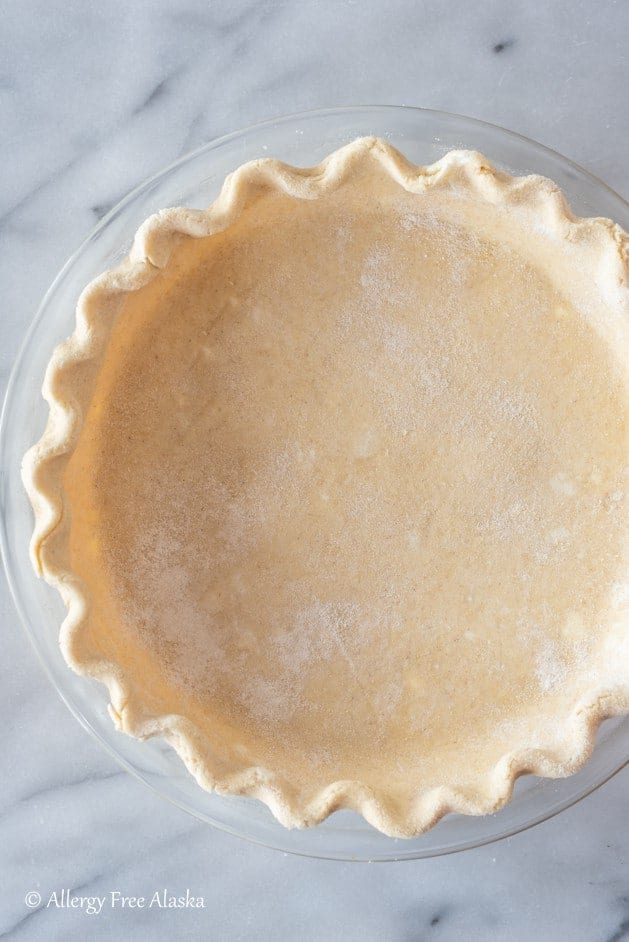
For centuries, the humble pie has been a culinary cornerstone, deeply woven into the fabric of American culture. From the comforting warmth of an apple pie to the celebratory richness of a pumpkin pie, the foundation of these beloved desserts rests firmly on one crucial element: the crust. Yet, for many home bakers, the quest for a truly strong, flaky, and buttery pie crust remains an elusive challenge. We've been told stories of doughs that rip, slump, and turn soggy, fostering a fear that discourages even the most enthusiastic bakers. But what if the secret to pie crust perfection lies not in avoidance, but in embrace?
It's time to unlearn some old "rules" and discover a path to a pie crust that is not only robust and easy to work with but also delivers unparalleled tenderness and countless flaky layers. This comprehensive guide will empower you to master the art of the buttery pie crust, transforming intimidation into confidence and turning out pies that truly sing.
Unlearning the "Gluten-Phobia": The Secret to a Strong Buttery Pie Crust
Perhaps the most pervasive myth in pie making is the notion that gluten is the enemy. We've been repeatedly warned about "overworking the dough" and the dreaded toughness that results, leading many bakers to approach pie dough with trepidation, mixing it as little as possible. This fear, however, is misguided. While excessive manipulation can indeed lead to a tough crust, a complete avoidance of gluten development robs your dough of its essential strength and flexibility.
Think of gluten not as a villain, but as the invisible force that binds your pie crust together. It's the protein network that gives dough its elasticity, allowing it to be rolled out without tearing and to maintain its shape as it bakes. Without sufficient gluten development, your pie dough will be fragile, prone to cracking, and liable to slump under the weight of its filling, resulting in a misshapen, disappointing crust.
Instead of fearing gluten, we must learn to wield it. When handled correctly, pie dough should feel strong yet pliable, like a well-worn leather jacket – flexible enough to be manipulated, but robust enough to hold up to the task. This strength, derived from a healthy gluten network, ensures your buttery pie crust won't fall apart in your hands or collapse in the oven, giving you the confidence to craft beautiful, perfectly structured pies every time.
The Golden Ratio: Butter's Role in Tenderness and Flakiness
While gluten provides the strength, it's the butter that brings balance and imparts the coveted tenderness and flakiness that defines an exceptional pie crust. Butter serves as a tenderizer, coating the flour particles and preventing excessive gluten development, thus ensuring a delicate crumb even in a strong dough. More importantly, butter is the architect of flakiness.
Many traditional recipes call for significantly less butter than ideal, leading to dry, crumbly doughs. Culinary experts often advocate for a more generous approach: a 1:1 ratio of flour to butter by weight. While this may seem like a lot of butter, it is a tried-and-true pastry formula that delivers remarkable results. Here's why this generous butter ratio is crucial for your buttery pie crust:
- Improved Flexibility: More butter contributes to a richer, more pliable dough that is easier to roll out and less prone to tearing.
- Unrivaled Tenderness and Crispiness: The fat shortens the gluten strands, resulting in a supremely tender bite, while also promoting a wonderfully crisp texture after baking.
- Soggy Bottom Prevention: Butter has a subtle waterproofing effect. As it melts during baking, it coats the flour particles, creating a barrier that helps prevent the bottom crust from absorbing moisture from juicy fillings, ensuring your pie remains crisp from top to bottom.
Always use very cold, unsalted butter for the best results. The colder the butter, the less it will incorporate into the flour, preserving those distinct pockets of fat that are essential for flakiness.
Mastering the Flake: The "Smashing Butter" Technique
Beyond the quantity of butter, the method of incorporating it into the flour is paramount to achieving those coveted flaky layers in your buttery pie crust. While many recipes instruct you to "cut in" butter until it resembles pea-sized pieces, a superior technique involves actively "smashing" the butter into the flour.
The "smashing" method entails pressing large, flat chunks of very cold butter into the flour mixture using the palm of your hand or a pastry blender. Instead of aiming for uniform pea-sized pieces, the goal is to create varying sizes of butter shards, some tiny and some as large as walnuts, all flattened and smeared within the flour. This seemingly aggressive approach might feel counterintuitive, but it is a game-changer for flakiness.
Here’s the magic behind it: When these flattened butter pieces melt in the hot oven, they release steam. This steam then forces apart the layers of dough created by the smeared butter, resulting in distinct, airy pockets and an exceptionally flaky texture. The non-uniform sizes ensure a delightful range of flakiness, from delicate shards to robust, crisp layers. This technique is often overlooked but is arguably the most critical step for achieving that incredible, layered flaky buttery pie crust that shatters with every bite.
Beyond the Mix: Essential Steps for Pie Crust Perfection
While the gluten, butter ratio, and smashing technique lay the groundwork, several other crucial steps ensure your buttery pie crust reaches its full potential.
The Chill Factor: Relaxation and Preservation
Refrigeration is not merely a suggestion; it's a vital step in pie crust making. After mixing your dough, chilling it for at least 30 minutes (or longer) allows the gluten to relax, making the dough much easier to roll out without shrinking or tearing. Even more critical is chilling the dough *after* you've shaped it in the pie plate. This final chill ensures the butter remains very cold and firm just before baking, preserving those distinct layers that contribute to flakiness. Cold butter means a less sticky dough, allowing the crust to hold its shape perfectly in the oven, preventing slumping.
Simple Ingredients, Big Impact
The beauty of a great pie crust lies in its simplicity. You don't need fancy ingredients, but quality and temperature matter:
- All-Purpose Flour: Provides consistent results and the right balance of protein for structure.
- Very Cold Butter: As discussed, essential for tenderness and flakiness.
- Ice Water: Use just enough to bring the dough together. The colder the water, the better, as it helps keep the butter solid.
- Salt: Even for sweet pies, salt is non-negotiable. It enhances flavor, balancing the richness of the butter and bringing out the taste of the pie filling. Don't skip it!
- Sugar (Optional): A tablespoon of sugar can be added for sweet pies or quiches. It adds a touch of flavor and contributes to browning, but it's not strictly necessary for the crust's structure.
Handling Your Dough with Confidence
Once your dough is mixed, avoid over-mixing it, as this is where the "toughness" fear genuinely applies. After the initial mixing, minimal handling is best. Roll your dough out on a lightly floured surface, using confident, even strokes. If the dough resists, let it rest for a few minutes to allow the gluten to relax again before continuing. Remember, a strong dough is forgiving, so don't be afraid to handle it gently but firmly.
Making a truly exceptional buttery pie crust doesn't have to be a daunting task. By embracing gluten as an ally, understanding the critical role of a generous butter-to-flour ratio, mastering the "smashing" technique, and respecting the power of the chill, you can consistently produce pie crusts that are strong, flexible, tender, and exquisitely flaky. This journey from fear to confidence will not only elevate your baking but also allow you to partake in the joyful tradition of crafting delicious, homemade pies that are truly as American as, well, apple pie. So, roll up your sleeves, grab that cold butter, and get ready to create the best pie crust you've ever tasted.
