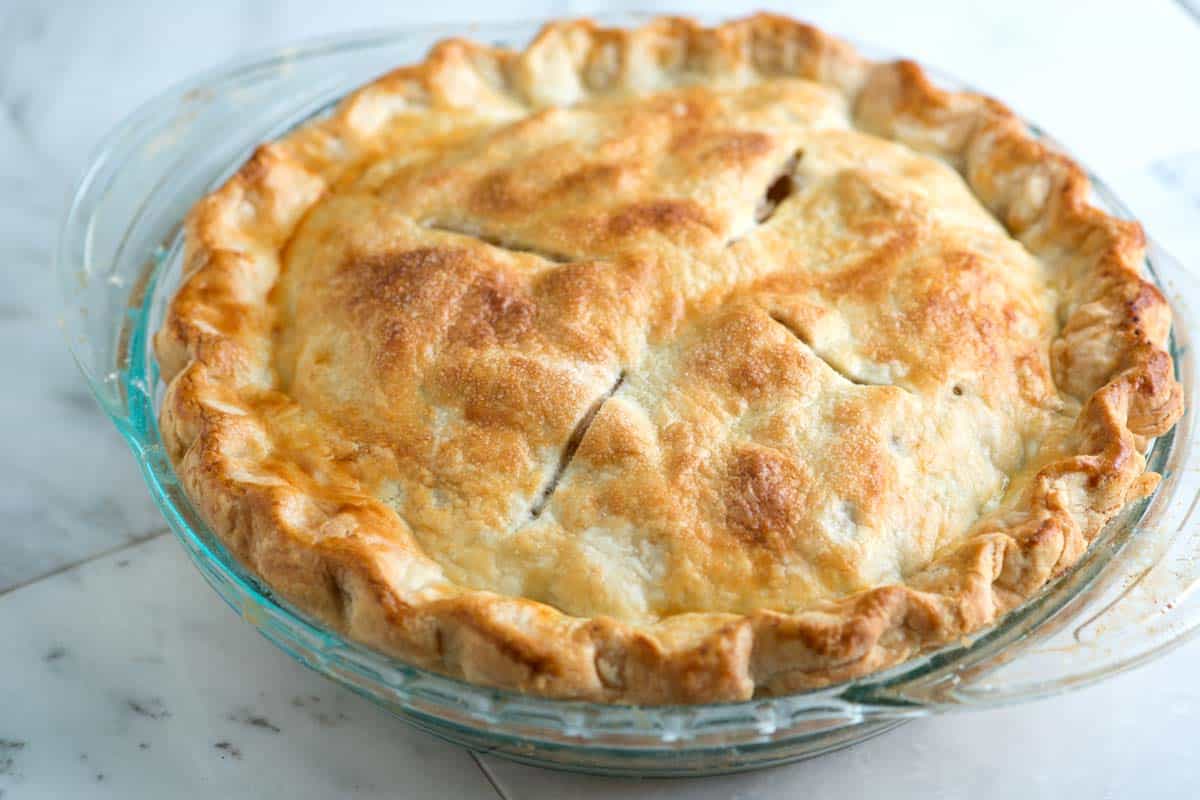
Foolproof Buttery Flaky Pie Crust: Get Perfect Results Every Time
Few culinary creations evoke as much warmth, nostalgia, and sheer satisfaction as a truly exceptional pie. And at the heart of every great pie, whether sweet or savory, lies an impeccable crust – golden, tender, and boasting those coveted light, flaky layers. Yet, for many home bakers, the quest for a consistently perfect buttery pie crust feels like an insurmountable challenge, fraught with fears of toughness, shrinking, or the dreaded soggy bottom. We've been told for so long that pie dough is finicky, complicated, and requires a professional touch that it's easy to feel intimidated.
But what if we told you that achieving a truly foolproof, flaky, and rich buttery pie crust is not only entirely within your grasp but also simpler than you think? Forget the myths and embrace a few fundamental techniques and a confident mindset. You don't need fancy equipment or a culinary degree; generations of bakers before us created incredible pies without modern conveniences. This comprehensive guide will demystify the process, turning pie-making from a daunting task into a delightful culinary adventure, guaranteeing perfect results every single time.
Unraveling the Secrets: Why Your Past Crusts Might Have Failed
Before we dive into the techniques that promise success, it's helpful to understand the common pitfalls that lead to less-than-stellar pie crusts. Most issues stem from a misunderstanding of how ingredients interact, particularly flour and fat, and how dough responds to handling. Have you ever experienced a crust that was:
- Tough and Leathery? Often a result of overworking the dough, which develops gluten excessively without proper counterbalances.
- Crumbly and Hard to Roll? This can happen if there's not enough liquid, or if the fat isn't incorporated correctly, leaving the dough weak.
- Soggy on the Bottom? A common culprit for juicy fruit pies, often due to insufficient fat or improper baking that allows the crust to absorb moisture from the filling.
- Shrinking in the Oven? This usually indicates the dough wasn't sufficiently chilled and relaxed before baking, causing the gluten to retract when exposed to heat.
By addressing these issues proactively with our foolproof method, you'll be well on your way to creating a buttery pie crust that's not just good, but truly extraordinary.
The Gluten Paradox: Embracing Strength for a Tender Crust
Perhaps the most widespread fear in pie making revolves around gluten. We're constantly warned against "overworking the dough" lest we develop too much gluten and end up with a tough, unyielding crust. While there's a kernel of truth to this – excessive, aggressive mixing *can* indeed lead to toughness – the real secret lies not in fearing gluten, but in understanding and embracing its power. Gluten, in fact, is the very "force" that gives your pastry its strength and flexibility.
Think of it this way: without sufficient gluten development, your dough would be weak, prone to tearing, and unable to hold its shape during rolling or baking. It's the gluten network that allows you to confidently roll out your dough without it falling apart in your hands, and it prevents your beautiful crust from slumping miserably in the oven. The trick isn't to avoid gluten, but to harness its benefits while mitigating its potential downsides. This is where other key ingredients and techniques come into play.
For a deeper dive into this often-misunderstood aspect of pie making, read our dedicated article: Embrace Gluten: The Secret to a Strong, Flaky Buttery Pie Crust. It will fundamentally change how you approach dough handling.
The Magic of Butter: More Than Just Flavor
When it comes to a buttery pie crust, the clue is in the name. Butter is not just a flavor enhancer; it's a structural powerhouse, integral to both the tenderness and the magnificent flakiness we crave. Its unique properties are what transform a simple flour and water mixture into a truly sublime pastry.
The Ideal Butter-to-Flour Ratio for Tenderness and Crispiness
Many recipes call for varying amounts of butter, but a tried-and-true pastry formula, often taught in culinary schools, suggests a 1:1 ratio of flour to butter by weight. Yes, that might sound like a lot of butter, but trust us, it's a game-changer. This generous ratio achieves several crucial things:
- Unrivaled Tenderness: The high fat content coats the flour particles, inhibiting excessive gluten formation and ensuring a melt-in-your-mouth texture.
- Superior Crispiness: As the water in the butter evaporates during baking, it creates steam, lifting and separating the layers of dough, resulting in an incredibly crisp crust.
- Soggy-Bottom Prevention: The butter has a slight waterproofing effect on the dough. This creates a barrier that significantly reduces the crust's ability to absorb moisture from juicy fillings, keeping your bottom crust perfectly crisp.
- Enhanced Flexibility: A well-hydrated dough with plenty of butter is inherently more pliable, making it easier to roll out and manipulate without tearing.
Always measure your ingredients by weight for the most consistent and accurate results, especially when it comes to flour and butter.
The Power of Very Cold Butter and the Smashing Technique
The temperature and incorporation method of your butter are paramount to achieving that legendary flakiness. The butter *must* be
Now, for the groundbreaking technique: instead of cutting your butter into uniform pea-sized pieces, embrace the "smashing" or "shingling" method. This involves pressing larger, flat pieces of cold butter into the flour, creating distinct, thin layers of butter separated by thin layers of dough. These larger butter pockets are the secret to dramatically defined, ethereal flakes. You're not aiming for a homogenous mixture; rather, you want visible streaks and pockets of butter throughout your dough.
Discover the precise steps and visual cues for this transformative method in our detailed guide: Unlock Flakiness: The Smashing Butter Technique for Pie Crust. It's a game-changer for your buttery pie crust!
Essential Steps for Unrivaled Flakiness and Ease
Beyond gluten and butter, a few other crucial steps ensure your pie crust is consistently perfect.
The Non-Negotiable Chill: Rest and Relaxation for Your Dough
Chilling your dough is absolutely vital, and it needs to happen at multiple stages. After mixing, before you even think about rolling, the dough must be chilled for at least 30 minutes, but ideally an hour or more. This serves two main purposes:
- Firms the Butter: It re-solidifies the butter, which might have softened slightly during mixing, ensuring it melts slowly and creates steam in the oven.
- Relaxes the Gluten: The chilling period allows the gluten strands, which have been worked during mixing, to relax. This makes the dough incredibly pliable and easy to roll out without tearing or shrinking back.
Even after you've rolled out your dough and fit it into the pie plate, an additional short chill (15-30 minutes) is highly recommended. This final chill ensures the crust is firm and relaxed before baking, preserving its shape and flakiness.
Simple Ingredients, Big Impact
You don't need fancy ingredients for a phenomenal buttery pie crust:
- All-Purpose Flour: Provides consistently great results. Avoid high-protein bread flours unless specified, as they can lead to a tougher crust.
- Salt: Essential, even for sweet pies! Salt enhances all the other flavors, making the crust taste richer and more balanced. Don't skip it.
- Sugar (Optional): A tablespoon of sugar can be added, especially for sweet pies or quiches. It contributes to browning and a hint of extra tenderness, but it doesn't significantly sweeten the crust.
- Ice Water: Always use ice-cold water. Just like the butter, cold water helps keep the butter firm and prevents gluten from developing too quickly. Add it gradually, just enough for the dough to come together.
Confident Handling and Rolling
Once your dough is properly chilled, rolling it out should be a breeze. Lightly flour your work surface and rolling pin. Work quickly and evenly, rotating the dough frequently to prevent sticking and ensure a consistent thickness. Don't be afraid to handle the dough; with the right ratio of butter and proper chilling, it will be robust and pliable, not fragile.
Conclusion: Your Journey to Perfect Pie Crust Begins Now
The journey to mastering the buttery pie crust is less about intricate techniques and more about understanding a few fundamental principles and having the confidence to apply them. By embracing gluten as an ally, optimizing your butter-to-flour ratio, utilizing the ingenious smashing technique, and prioritizing chilling, you'll consistently achieve a pie crust that is the envy of all. Forget the intimidating narratives of the past; with these foolproof methods, every pie you bake will feature a crust that is magnificently flaky, wonderfully tender, and bursting with rich, buttery flavor. So, grab your apron, chill that butter, and get ready to create the best homemade pie crust you've ever imagined.
